-
Solo Business Courses
-
 Others
-
Overseas Tutorials
-
Photography & Editing
-
Community & Private Domain
-
Self-Media Writing & Copywriting
-
Side Income Projects
-
E-commerce
-
Short Video & Live Streaming
-
Artificial Intelligence (AI)
-
Software & Tools
-
Operating Systems
-
Plugins & Scripts
-
MacOS Software
-
Android Software
-
Windows Software


AI Coding 8-Week Bootcamp: From Writing Code to Monetized Delivery × Dev Environment × 6 Practice Projects × Two Flagship Products × Closed Commercial Loop × Cross the Profit Line
-
Game Gold-Farming Money-Making Plan: Earn 1k+ Daily, a Stable 3-Year Project Anyone Can Do in Spare Time [Revealed]
Study material — included with membership Get Membership -
Hot-game fully-automated earning: 500+ a day, no experience, simple operation - the steadiest long-term game-earning side hustle (revealed)
Study material — included with membership Get Membership -
FlyingMouse earns merit this time! Don't panic at Windows format problems — the open-source FlyingMouse format conversion tool helps, a popular GitHub gem
Study material — included with membership Get Membership -
Douyin Product-Selling Coaching Bootcamp: No On-Camera Appearance Needed, Newbies Can Produce Selling Short Videos by Following the Steps
Study material — included with membership Get Membership -
First-release game gold-farming money plan: 1K+ a day, ordinary people in spare time
Study material — included with membership Get Membership






-
FlyingMouse earns merit this time! Don't panic at Windows format problems — the open-source FlyingMouse format conversion tool helps, a popular GitHub gem
Study material — included with membership Get Membership -
LuDaShi v6.1024.4105.1121 Slim Single File
Study material — included with membership Get Membership -
2D Cartoon Animation Software Moho Pro v14.3
Study material — included with membership Get Membership -
Video Editor Aiseesoft Filmai v1.0.18
Study material — included with membership Get Membership -
To-Do Microsoft To Do v2.147 Free
Study material — included with membership Get Membership -
PR/AE/DaVinci/FCPX video Plugin Nobe OmniScope Win1.11.15 / Mac1.10.138
Study material — included with membership Get Membership
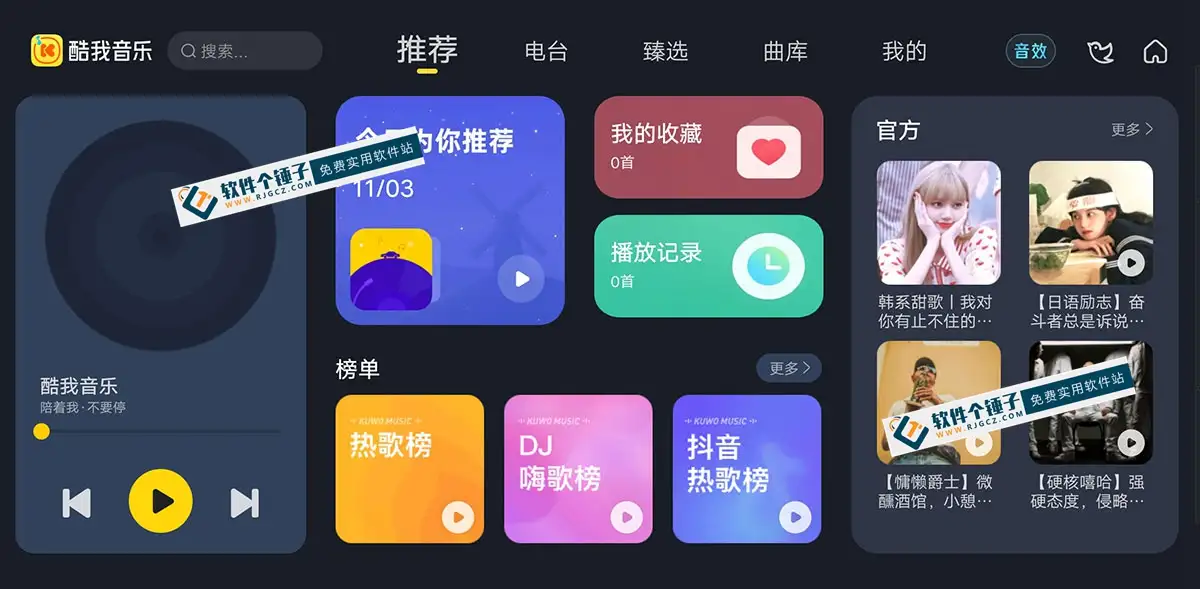
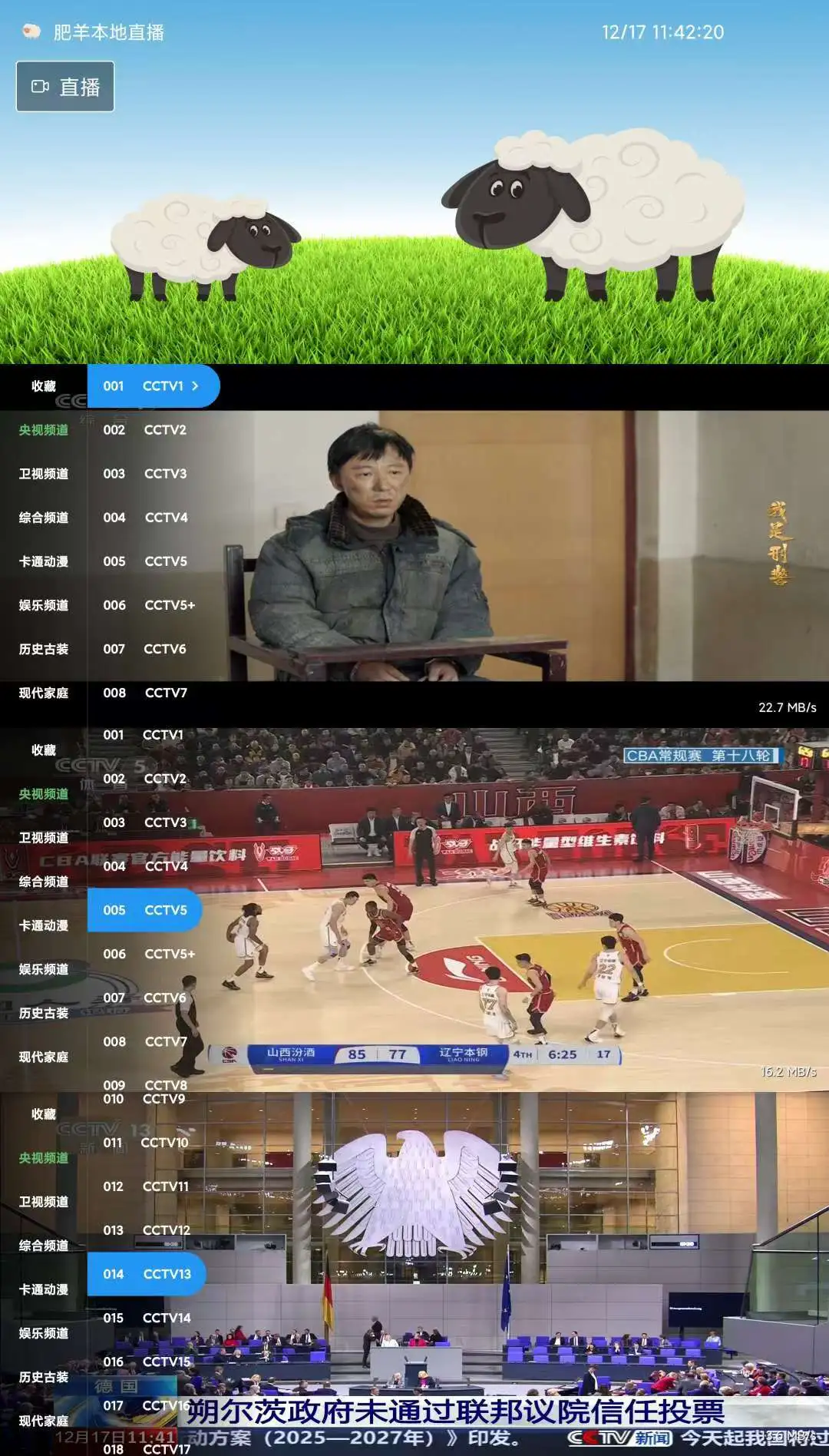
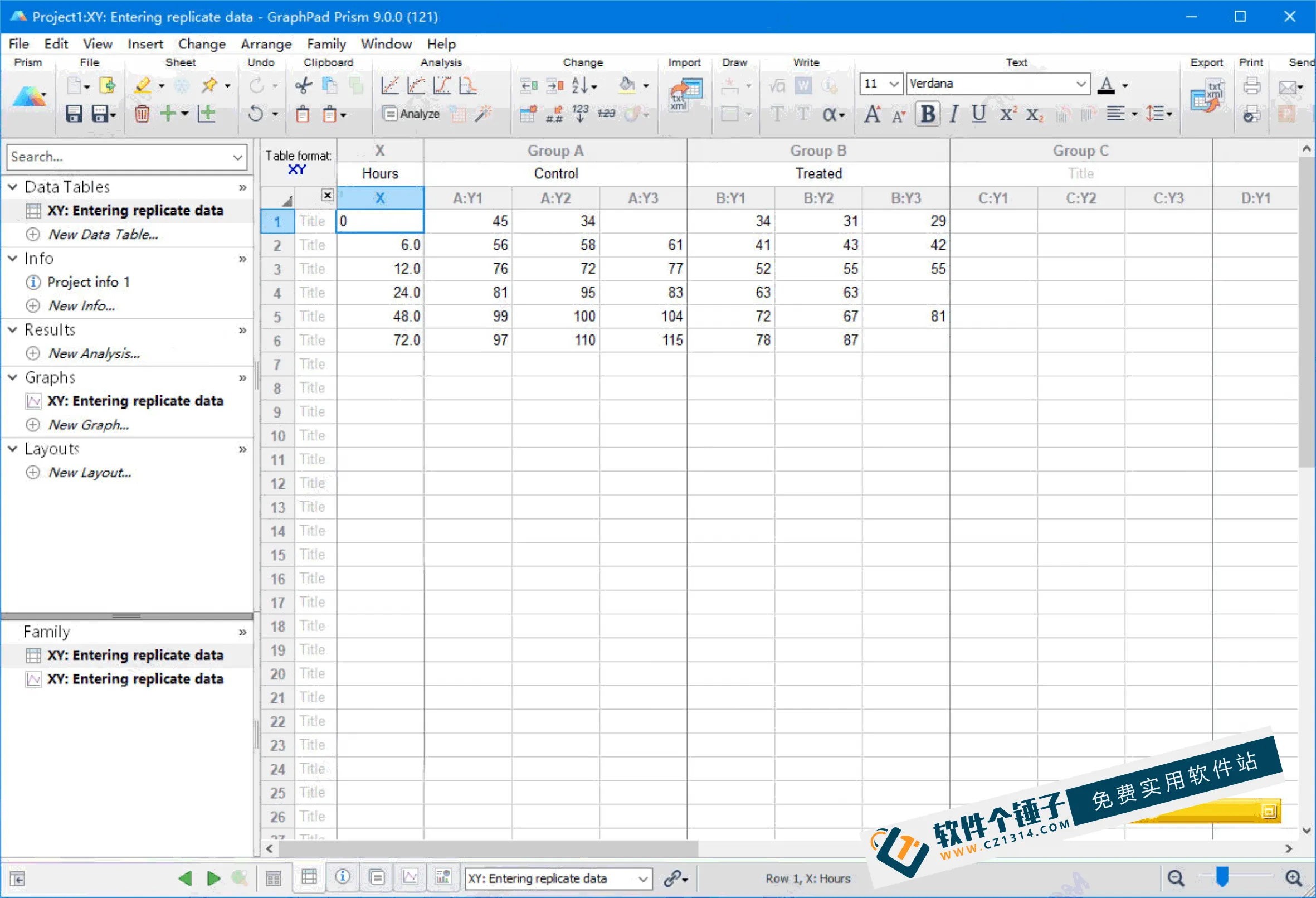
Course intro
This course systematically teaches the complete progression path of AI programming: from dev-environment setup, basic coding, six practice projects, two flagship products, to commercial delivery. Stage 1 solidifies the dev environment (Git / Node.js / VSCode / Claude Code / GLM4.7 / Chrome), AI-wired database and API services, and AI-built object-oriented programs and automation tools. Stage 2 practice projects cover: desktop voice assistant (dev environment → core features → context management → large-model error correction → exe packaging); custom Xiao-Bawang game console (MVP scaffolding → web page structure → Supabase database → admin panel → Vercel deploy → domain purchase and DNS); SF logistics data analysis; office-supplies procurement system; Obsidian daily-note generator; one-stop local drawing pipeline. Stage 3 flagship products: build an AI-coding learning platform from zero (requirements analysis and commercial positioning → database design → backend and frontend development → AI integration → deployment online → payment monetization loop); AI-driven personal knowledge-management system (content collection → vector-database retrieval → knowledge-base intelligent QA → Agent workflow automation → product packaging and deployment). Graduation standard: a publicly accessible online product + connected payment channel + completed product pitch.

Who it suits
1. Developers with AI-coding basics wanting to ship products for monetization.
2. Startup product people wanting to go from coding to selling AI products for profit.
3. Workplace technical staff who need to complete the project-deployment/payment/operations full chain.
4. Programming learners wanting real commercial projects that go on a resume.
5. Advanced developers wanting to move from a local demo to a publicly accessible deployed product.
What you gain
1. Master AI-coding environment setup and AI-wired database/API services.
2. Independently complete six practice projects: desktop voice assistant, mini-game console, logistics data analysis, procurement system, Obsidian daily-note generator, local drawing pipeline.
3. Build an AI-coding learning platform and enterprise-grade knowledge management system from zero.
4. Master RAG vector-DB integration, cloud deployment, payment integration, closed commercial loop.
5. Ship a publicly accessible product, connect the payment channel, and complete a product pitch.
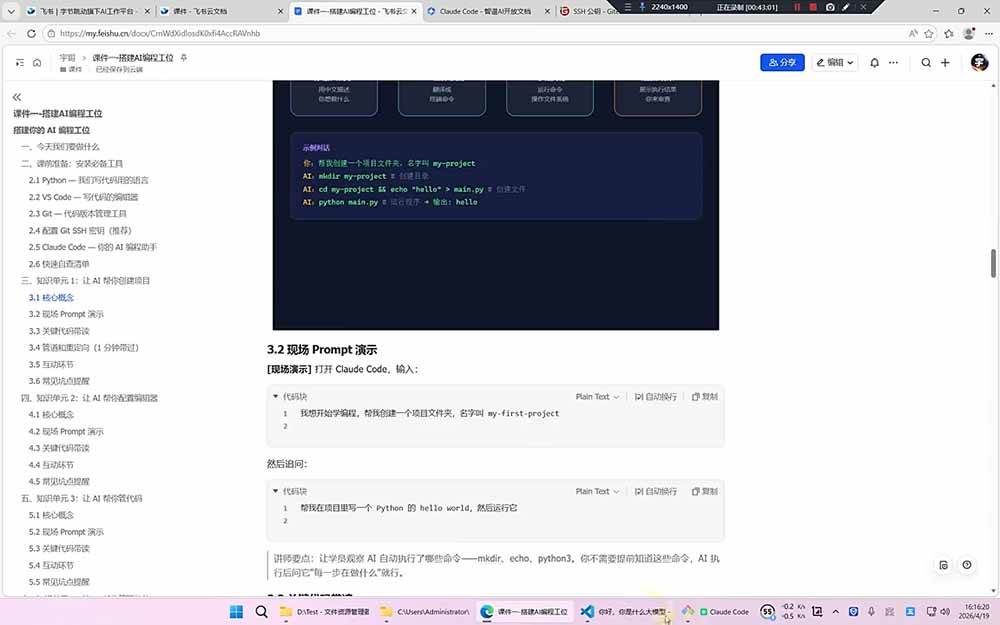
Video screenshots.

Course outline (compressed)
Stage 1 - environment and foundations: tools overview; Git/Node.js/VSCode install and config; GLM4.7 chief AI engineer; Claude Code install and config; cc-switch lightweight model switcher; Chrome intro; AI-wired database and API services; AI-built OOP programs and automation tools.
Stage 2 - six practice projects: desktop voice assistant (environment setup, core features, context management, Claude programming tips, exe packaging, Feishu/Multi-dim tables integration, large-model voice error correction, sensitive-info protection); custom Xiao-Bawang game console (MVP, static web, web three-pillar tools, Supabase DB and cloud storage, admin panel, dynamic frontend game library, Play page, login, Chrome-DevTools-MCP tool, Vercel deployment, domain purchase to solve mainland China access); SF logistics data analysis; office-supplies procurement system; Obsidian daily-note generator; local drawing one-stop pipeline. Bonus: select suitable index funds for yourself.
Stage 3 - two flagship products: from-zero AI-coding learning platform (requirements analysis and commercial positioning, database design, backend dev, frontend dev, AI integration and deployment, monetization loop); AI-driven personal knowledge management (content collection module, vector database and retrieval, knowledge-base intelligent QA, Agent workflow automation, product packaging and deployment). Supporting materials: Feishu materials.
*Note: for introduction only, no income promise; results vary with your own effort.*
Supporting Study Materials
This course comes with a materials pack. Members receive the access link by email after requesting the course.
Related Courses

Family Comedy Short-Drama Creation Course: Benchmark Hot Accounts, AI-Assisted, Fast Start for Total Beginners, Grow Followers and Drive Product Sales

Amazon AI Automation Practical Course: AI Operating Mindset, Setting Up the Codex Environment, Risk-Control Checks and Automated Listing Copy

AI E-Commerce Data Tool Development Course: Learn Codex+BI From Zero, Build a Multi-Store Integrated Visualization Dashboard

Advanced AI Prompt Application: 15 Lessons | Universal Instruction Thinking + Multiple Output Modes + Full Industry Commercial Cases
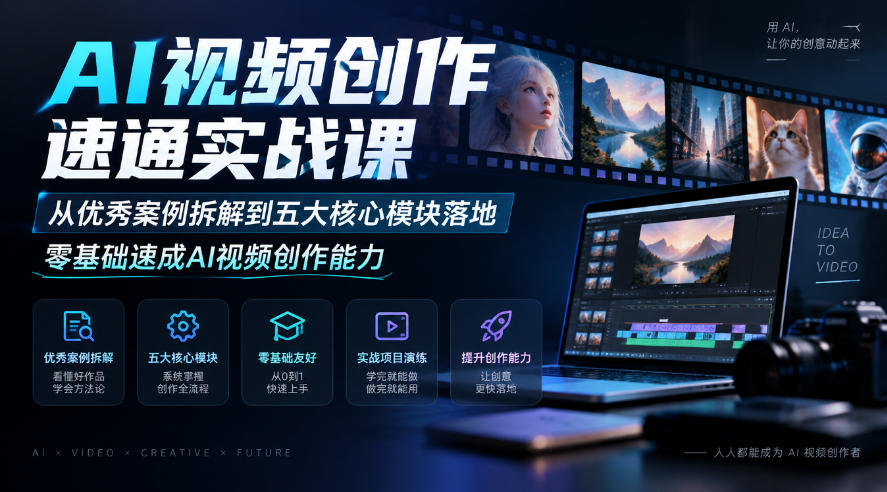
AI Video Creation Crash Course: From Great-Case Breakdown to Five Core Modules, Fast-Track AI Video Skills for Total Beginners

AI Commercial Practice System Course: In-Depth SD Mastery + Advanced Flux Hands-On + Comfyui Workflow Building, Full Commercial Design Project Training

[National-Day Pick] AI Automation Game, 1k+ RMB a Day, Simple to Operate, Stable for Three Years! [Revealed]