-
Solo Business Courses
-
 Others
-
Overseas Tutorials
-
Photography & Editing
-
Community & Private Domain
-
Self-Media Writing & Copywriting
-
Side Income Projects
-
E-commerce
-
Short Video & Live Streaming
-
Artificial Intelligence (AI)
-
Software & Tools
-
Operating Systems
-
Plugins & Scripts
-
MacOS Software
-
Android Software
-
Windows Software


2026 Qianchuan Sweeping Monk 3-day offline practical course: 423-page complete textbook + audio subtitles + key notes, detailed explanation of omni-channel delivery, ROI optimization, and viral scalin
-
Game Gold-Farming Money-Making Plan: Earn 1k+ Daily, a Stable 3-Year Project Anyone Can Do in Spare Time [Revealed]
Study material — included with membership Get Membership -
Hot-game fully-automated earning: 500+ a day, no experience, simple operation - the steadiest long-term game-earning side hustle (revealed)
Study material — included with membership Get Membership -
FlyingMouse earns merit this time! Don't panic at Windows format problems — the open-source FlyingMouse format conversion tool helps, a popular GitHub gem
Study material — included with membership Get Membership -
Douyin Product-Selling Coaching Bootcamp: No On-Camera Appearance Needed, Newbies Can Produce Selling Short Videos by Following the Steps
Study material — included with membership Get Membership -
First-release game gold-farming money plan: 1K+ a day, ordinary people in spare time
Study material — included with membership Get Membership





-
FlyingMouse earns merit this time! Don't panic at Windows format problems — the open-source FlyingMouse format conversion tool helps, a popular GitHub gem
Study material — included with membership Get Membership -
LuDaShi v6.1024.4105.1121 Slim Single File
Study material — included with membership Get Membership -
2D Cartoon Animation Software Moho Pro v14.3
Study material — included with membership Get Membership -
Video Editor Aiseesoft Filmai v1.0.18
Study material — included with membership Get Membership -
To-Do Microsoft To Do v2.147 Free
Study material — included with membership Get Membership -
PR/AE/DaVinci/FCPX video Plugin Nobe OmniScope Win1.11.15 / Mac1.10.138
Study material — included with membership Get Membership


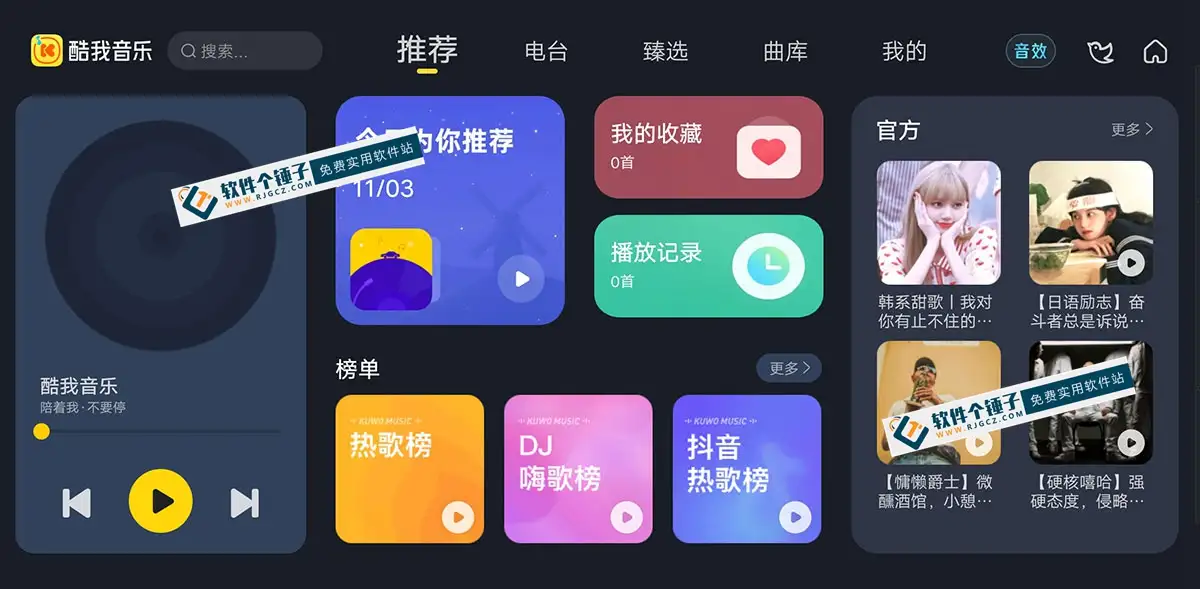
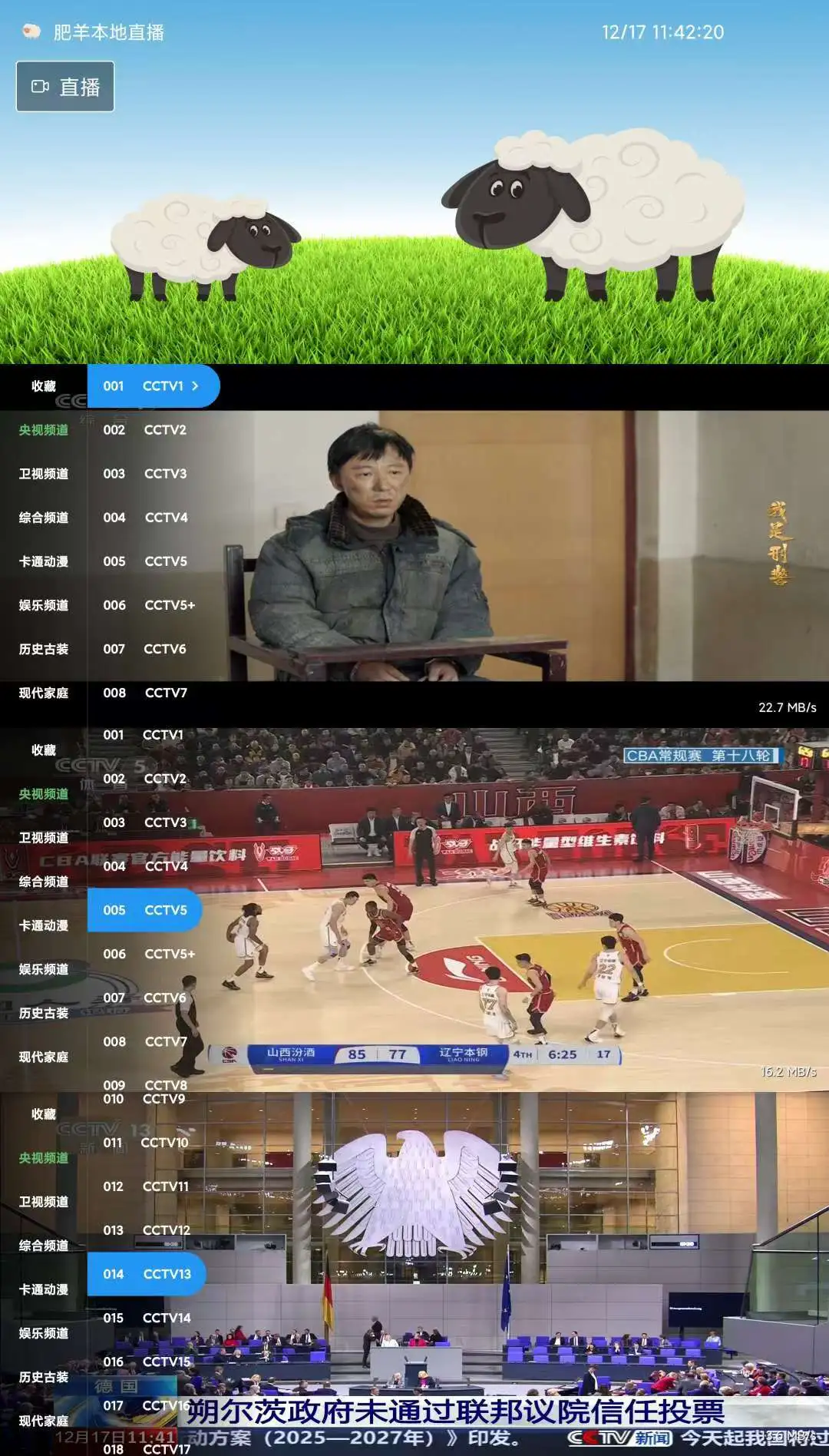
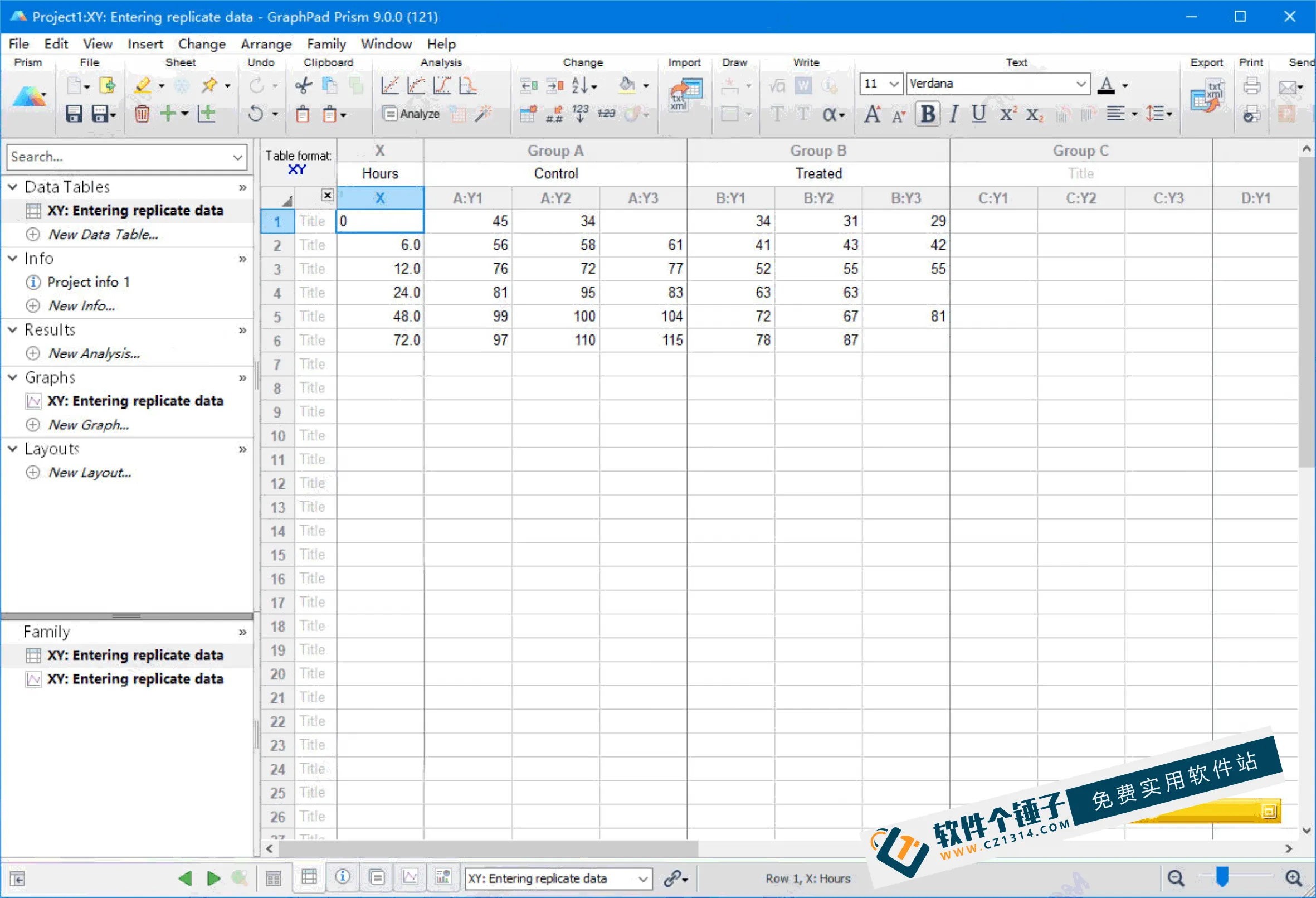


Note directory:
Product selling point refinement and competitor comparison(1).xlsx
July 2026 Qianchuan Course Slides - Bound Volume_Scanned Version.pdf
Profit and Loss ROI Calculation Table(1)(1).xlsx
Verbatim Transcript Notes.txt
Livestream Room Traffic Data Tracking Table by Channel(1).xlsx
Video Retention Statistics Template - Student Version - Latest(1).xlsx
Chapter 1: Track Business Strategy - Know Yourself and Know Your Enemy
1.1 Douyin E-commerce Business Models
1.2 Product Sales Channels
1.3 How to Analyze a Track (Practical Path)
1.4 Choosing a Business Direction: Know Yourself, Maintain Balance
1.5 What Kind of Livestream Room Suits Paid/Free Launch
1.6 Basic Characteristics of Pure Paid Livestream Room Products
Chapter 2: A Comprehensive Understanding of Ocean Engine Qianchuan
2.1 Typical Problems of Organic Traffic Merchants
2.2 Typical Problems of Pure Paid Merchants
2.3 The 4 Major Problems of Qianchuan Advertising (Live Q&A Format)
Chapter 3: Ocean Engine Qianchuan Ranking Rules
3.1 Comprehensive Ranking Formula (Chapter Outline)
eCPM Calculation Formula
3.2 ECPM Variable One: Bid
3.3 Billing Logic: ECPM and OCPM
3.4 The Three Major Principles of Bid Reduction
3.5 The Relationship Between Bid and ROI (Derivation)
3.6 ECPM Variables Two and Three: Estimated Click-Through Rate and Estimated Conversion Rate
3.7 Composition and Optimization of Content Interaction Metrics
3.8 Calculation Derivation of Advertising GPM
3.9 Summary of Ranking Factors
3.10 What Other Factors Affect Ad Ranking: Positive and Negative Operations
3.11 Ecosystem Score, Experience Score, and Reputation Score
Chapter 4: Cognitive Misconceptions About Omni-Domain Promotion
4.1 Opening Reflection Questions
4.2 Omni-Domain ROI vs Advertising ROI
4.3 Structural Breakdown of Omni-Domain ROI
4.4 Core Actions to Improve Omni-Domain ROI
4.5 Using the "Average Order Value Ruler" to Judge Traffic Quality (Practical Data Ruler)
4.6 Discussion: What Do You Want with a 5000 Yuan Budget?
4.7 The Logic of Heavy Paid ROI
4.8 5A Crowd Model (Important Foundational Concept)
4.9 The Four Major Factors Affecting CPM (Section Edition)
Chapter 5: The Logical Relationship Between Omni-Domain Promotion and Organic Traffic
5.1 The phenomenon and essence of "no natural traffic across the whole domain"
5.2 Channel data mindset: 12 traffic channels
5.3 Why the whole domain is unstable: two transmission chains
5.4 The essence of recommendation-based traffic and decentralized distribution
5.5 The underlying logic of paid traffic suppressing natural traffic
5.6 User tag system
5.7 Four classifications of target audiences
5.8 Techniques for expanding content tags
5.9 Traffic distribution funnel: audience size determines the traffic ceiling
5.10 TGI index: how the system "recognizes" your users
5.11 New customer data mindset
5.12 The hidden composition of the recommendation feed
5.13 GPM/OPM data mindset (core toolbox of this chapter)
5.14 The essence of Qianchuan coordinating natural traffic (climax of this chapter)
Chapter 6 From influencer advertising to whole-domain promotion (brand advertising system)
6.1 Overview of the Ocean Engine Qianchuan product ecosystem
6.2 Brand bidding - audience seeding (seeding is planting A3)
6.3 Brand bidding - livestream heating
6.4 Livestream heating: delivery speed and heating goals
6.5 Precautions and use cases for brand bidding ads
6.6 Targeting combination logic and techniques
6.7 Brand contract advertising (GD guaranteed volume)
Chapter 7 Whole-domain promotion
7.1 Differences between standard promotion and whole-domain promotion
7.2 Precautions for promoting livestream rooms
7.3 Volume delivery vs cost-controlled delivery
7.4 Smart coupons
7.5 Creative configuration: system default "livestream screen" + homepage video
7.6 AIGC dynamic creatives
Chapter 8 Livestream planning and control tools
8.1 Livestream planning
8.2 Overview of control tools
8.3 Combination settings of main plans and control plans
Chapter 9 Phased delivery strategies (four delivery chains)
9.1 Account launching approach
9.2 How to initially determine the basic audience attributes of a category
9.3 Influencer targeting
9.4 Instant burst + stacked delivery gameplay: principle breakdown and operation
9.5 Direct delivery micro/heavy paid whole-domain increment: mixed delivery of livestream heating tag plans
9.6 Cost guarantee rules for whole-domain promotion (compensation)
Chapter 10: Omni-domain Promotion - Promoting Products
10.1 Product Introduction
10.2 Precautions
10.3 Placements and Common Misconceptions
10.4 Cost Protection Rules for Promoting Products
10.5 The Four Basic Principles of Campaign Management
10.6 The Drawbacks of High Paid ROI (Warning in This Chapter)
Chapter 11: Comprehensive Data Analysis and Optimization
11.1 Full Process of Omni-domain Data Analysis Review (Master Outline)
11.2 Example 1: Review Process for Promoting Products (Five-Step Method)
11.3 Healthy Benchmarks for the Four Metrics Affecting ROI (Key Data Ruler)
11.4 Example 2: Review Process for Promoting Livestreams (Five-Step Method)
11.5 Data Feedback Guiding Content Optimization (Closed-Loop Diagram)
Chapter 12: Deconstructing the Principles of Creative Scaling and Volume Drop
12.1 Two Situations Where Creatives Fail to Scale
12.2 Scaling Logic of OCPM: Hourly ROI Completion Rate
12.3 Bidirectional Logic Diagram of Scaling and Decline
12.4 "Runaway" Prediction and Volume Control (Practical Gold Standard)
12.5 Two Ways to Solve Scaling Problems
Chapter 13: Optimization Insights from OCPM Creative Principles
13.1 In-Depth Breakdown of the ROI Formula (Master Outline)
13.2 Average Order Value: Viewing Livestream Models from the AOV Perspective
13.3 Click-Through Rate Optimization
13.4 Conversion Rate Optimization
13.5 CPM In-Depth Special Topic
13.6 How to Expand Audience Scale
14. SOP Production Process for Viral Product Videos
14.0 Nine-Step SOP Production Process for Viral Short Videos
14.1 Product Selection for Short Video Formats
14.2 Finding and Deconstructing Benchmark Creatives
14.2.1 Three Misconceptions and the Right Approach to Finding Benchmarks
14.2.2 Three Repositories for Accumulating Viral Creatives
14.2.3 Three Core Aspects of Deconstructing Copy
14.2.4 Three Core Aspects of Deconstructing Shots
14.2.5 Three Core Aspects of Deconstructing BGM/Music
14.3 Extracting and Expressing Core Product Selling Points
14.4 Locking In the Target Audience for the Product
14.4.1 The 5A Audience Model and Content Mission
14.4.2 Quick Reference Table of the Eight Major Douyin E-commerce Audience Segments
14.4.3 The Relationship Between Audience Penetration and CPM
14.5 Content Structure and Copywriting
Conclusion
Appendix A: Quick Reference of Core Formulas
Appendix B: Quick Reference of Key Data Metrics
Appendix C: Explanation of the 'Voice Q&A Section'
Supporting Study Materials
This course comes with a materials pack. Members receive the access link by email after requesting the course.
Related Courses

Xiaohongshu IP Gold-Mining Bootcamp: Master Topic Selection, Copywriting, Shooting & Editing, and Viral Operations with Private-Domain Monetization



Douyin Emotional-Card GIF Practical Course: Phone Production + Livestream Tactics, Unlock GIF Traffic Monetization

Kuaishou Good-Stuff Practical Course: Product Selection & Operations + Site-Wide Promotion + Re-Creation Editing for Affiliate Sales


Bilibili short-video product-promo dividend: free teaching plus managed operation, two playbooks, single-account seven-day income 1200-3600

Xiaohongshu electronic-resource category opening tutorial: targeted-access rules, qualification materials and the self-recommendation submission flow

Game Gold-Farming Money-Making Plan: Earn 1k+ Daily, a Stable 3-Year Project Anyone Can Do in Spare Time [Revealed]