-
Solo Business Courses
-
 Others
-
Overseas Tutorials
-
Photography & Editing
-
Community & Private Domain
-
Self-Media Writing & Copywriting
-
Side Income Projects
-
E-commerce
-
Short Video & Live Streaming
-
Artificial Intelligence (AI)
-
Software & Tools
-
Operating Systems
-
Plugins & Scripts
-
MacOS Software
-
Android Software
-
Windows Software


A complete practical SOP for job interviews: teaches you to use AI to revise resumes, break down job requirements, respond to HR questions, negotiate salary well, and avoid onboarding pitfalls
-
Game Gold-Farming Money-Making Plan: Earn 1k+ Daily, a Stable 3-Year Project Anyone Can Do in Spare Time [Revealed]
Study material — included with membership Get Membership -
Hot-game fully-automated earning: 500+ a day, no experience, simple operation - the steadiest long-term game-earning side hustle (revealed)
Study material — included with membership Get Membership -
FlyingMouse earns merit this time! Don't panic at Windows format problems — the open-source FlyingMouse format conversion tool helps, a popular GitHub gem
Study material — included with membership Get Membership -
Douyin Product-Selling Coaching Bootcamp: No On-Camera Appearance Needed, Newbies Can Produce Selling Short Videos by Following the Steps
Study material — included with membership Get Membership -
First-release game gold-farming money plan: 1K+ a day, ordinary people in spare time
Study material — included with membership Get Membership






-
FlyingMouse earns merit this time! Don't panic at Windows format problems — the open-source FlyingMouse format conversion tool helps, a popular GitHub gem
Study material — included with membership Get Membership -
LuDaShi v6.1024.4105.1121 Slim Single File
Study material — included with membership Get Membership -
2D Cartoon Animation Software Moho Pro v14.3
Study material — included with membership Get Membership -
Video Editor Aiseesoft Filmai v1.0.18
Study material — included with membership Get Membership -
To-Do Microsoft To Do v2.147 Free
Study material — included with membership Get Membership -
PR/AE/DaVinci/FCPX video Plugin Nobe OmniScope Win1.11.15 / Mac1.10.138
Study material — included with membership Get Membership





I. Course content overview
This is a resume optimization and interview practical tutorial designed specifically for job seekers. Starting from the underlying logic of HR resume screening, it systematically explains how to create high-pass-rate resumes, analyze recruitment job JDs, extract personal strengths, and optimize work experience and project achievements, making resumes better fit corporate recruitment requirements. The course covers practical skills such as resume layout, keyword matching, achievement quantification, and handling career gaps, and combines real cases to teach you to use the STAR method to sort out work experience and master answer methods for high-frequency interview questions such as self-introduction, reasons for leaving, career planning, strengths and weaknesses. It also explains how to use AI for mock interviews, optimize answer scripts, review interview performance, as well as key links such as salary negotiation, Offer evaluation, labor contracts, and onboarding pitfalls to avoid. Through a complete practical job-seeking SOP, it helps zero-foundation job seekers, fresh graduates, and workplace job-hoppers improve resume competitiveness, interview expression skills, and salary negotiation skills, so they can pursue ideal jobs with better preparation.
II. Suitable audience
- Fresh graduates and inexperienced job-seeking newcomers.
- People who send many resumes but receive no interview invitations.
- Job seekers who are nervous in interviews and do not know answering techniques.
- Workplace professionals preparing to job-hop, change careers, or strive for a raise.
- People who want to use AI to optimize resumes and improve job-seeking efficiency.
III. What you gain after learning
- Master HR screening logic and create highly matching resumes.
- Learn to analyze job JDs and highlight your core personal strengths.
- Master the STAR method and common interview response techniques.
- Learn to use AI for mock interviews and optimize your phrasing.
- Master salary negotiation, offer evaluation, and onboarding pitfall avoidance techniques.
Course Catalog
I. Preface
You are only one systematic upgrade away from your ideal offer
Why are you looking for a job?
II. The underlying logic of a resume - how HR screens resumes
- The 3-second rule HR uses to screen resumes
1.1 The "hard criteria" a resume must pass (format, length, keywords)
1. File format
2. Length
Resume content recommendations:
Content allocation ratio
Deletion principles
3. Keywords
1.2 The six major resume pitfalls to avoid
1.3 Resume scoring sheet: see how much your resume is worth
1.4 Four types of resumes - Job match analysis method
2.1 Use JD deconstruction to extract core job requirements
2.2 Case interpretation
III. The full process of creating a high-pass-rate resume
- Organizing and collecting resume material
How to write personal strengths in a resume
How to handle employment gaps in a resume
IV. Interview preparation - from passive answering to proactive control (2 class hours)
- Decoding the interviewer's mindset
1.1 The underlying logic of behavioral interviews: predicting future performance
1.2 Analysis of the intent behind 5 types of questions HR always asks (reason for leaving/reasons for career planning, etc.) - Interview pass SOP
V. Practical interview response strategies
- Deconstructing high-frequency questions
Question 1: Please introduce yourself
Question 2: Please talk about your work experience (or a project experience)
Question 3: Tell us about your strengths and weaknesses
Question 4: Please explain your reason for leaving your previous company
Question 5: Why do you want to join our company?
Question 6: Talk about your 3-5 year career plan
Question 7: Do you accept working overtime?
Question 8: Do you have offers from other companies?
Question 9: If you are hired for this position, what do you think will be the biggest challenge you will face in future work?
Question 10: Do you have any questions you would like to ask us? - Handling in-depth follow-up questions
2.1 Advanced STAR method: add a "reflection and iteration" dimension
2.2 Cracking stress interviews (such as the response logic for "Have you ever been rejected?")
Essence of the question: a test of stress resistance and honesty
Strategy: 3A Crisis Transformation Method - Reverse Questioning Techniques
3.1 Three Key Questions to Judge Team Style
3.2 Answers to Avoid: Timing of Salary/Overtime Questions You Should Not Ask
6. Salary negotiation and onboarding pitfalls to avoid
- Three-Step Salary Negotiation Method
Step One: Market Salary Research - Arm Your Negotiation Power with Data
1.1 Four Major Channels for Obtaining Salary Data
1.2 Formula for Calculating Personal Market Value
Step Two: Self-Pricing Strategy - Precisely Anchor Your Salary Range
2.1 Pricing Strategies for Three Types of People
2.2 Set a Dual-Track Quotation Range
2.3 High-Value Evidence Checklist
Step Three: Negotiation Script Practice - Break HR's Price-Cutting Tactics
3.1 Script Formula for Responding to Price Cutting
3.2 Break Common Price-Cutting Tactics
3.3 Endgame Negotiation Strategy - Onboarding Risk Control Checklist
The onboarding risk control checklist is designed to ensure that when you join a new company, you can avoid potential legal risks and workplace traps.
2.1 Key Points for Reviewing Labor Contracts (Probation Period/Non-Compete Clauses)
Non-Compete Clause
2.2 Notes on Background Checks
Supporting Study Materials
This course comes with a materials pack. Members receive the access link by email after requesting the course.
Related Courses

Family Comedy Short-Drama Creation Course: Benchmark Hot Accounts, AI-Assisted, Fast Start for Total Beginners, Grow Followers and Drive Product Sales

Amazon AI Automation Practical Course: AI Operating Mindset, Setting Up the Codex Environment, Risk-Control Checks and Automated Listing Copy

AI E-Commerce Data Tool Development Course: Learn Codex+BI From Zero, Build a Multi-Store Integrated Visualization Dashboard

Advanced AI Prompt Application: 15 Lessons | Universal Instruction Thinking + Multiple Output Modes + Full Industry Commercial Cases
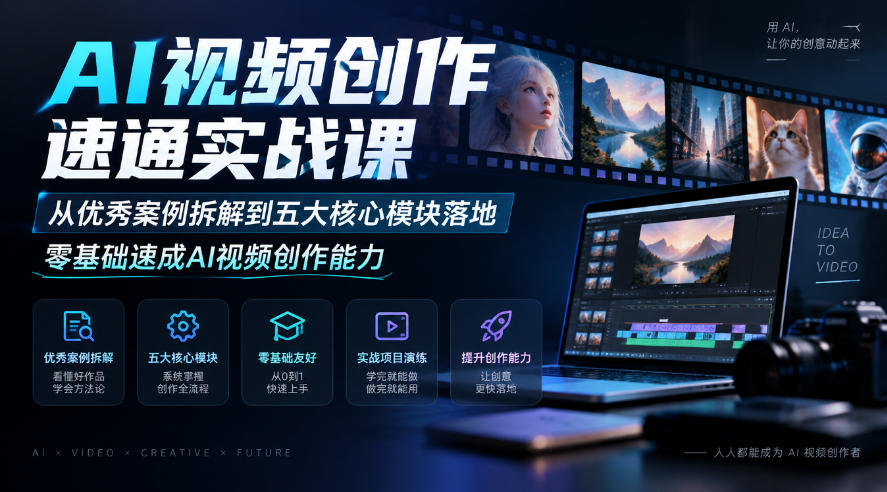
AI Video Creation Crash Course: From Great-Case Breakdown to Five Core Modules, Fast-Track AI Video Skills for Total Beginners

AI Commercial Practice System Course: In-Depth SD Mastery + Advanced Flux Hands-On + Comfyui Workflow Building, Full Commercial Design Project Training

[National-Day Pick] AI Automation Game, 1k+ RMB a Day, Simple to Operate, Stable for Three Years! [Revealed]