-
Solo Business Courses
-
 Others
-
Overseas Tutorials
-
Photography & Editing
-
Community & Private Domain
-
Self-Media Writing & Copywriting
-
Side Income Projects
-
E-commerce
-
Short Video & Live Streaming
-
Artificial Intelligence (AI)
-
Software & Tools
-
Operating Systems
-
Plugins & Scripts
-
MacOS Software
-
Android Software
-
Windows Software
Multi-programming-language editor Vim v9.2.1143
-
Game Gold-Farming Money-Making Plan: Earn 1k+ Daily, a Stable 3-Year Project Anyone Can Do in Spare Time [Revealed]
Study material — included with membership Get Membership -
Hot-game fully-automated earning: 500+ a day, no experience, simple operation - the steadiest long-term game-earning side hustle (revealed)
Study material — included with membership Get Membership -
FlyingMouse earns merit this time! Don't panic at Windows format problems — the open-source FlyingMouse format conversion tool helps, a popular GitHub gem
Study material — included with membership Get Membership -
Douyin Product-Selling Coaching Bootcamp: No On-Camera Appearance Needed, Newbies Can Produce Selling Short Videos by Following the Steps
Study material — included with membership Get Membership -
First-release game gold-farming money plan: 1K+ a day, ordinary people in spare time
Study material — included with membership Get Membership






-
FlyingMouse earns merit this time! Don't panic at Windows format problems — the open-source FlyingMouse format conversion tool helps, a popular GitHub gem
Study material — included with membership Get Membership -
LuDaShi v6.1024.4105.1121 Slim Single File
Study material — included with membership Get Membership -
2D Cartoon Animation Software Moho Pro v14.3
Study material — included with membership Get Membership -
Video Editor Aiseesoft Filmai v1.0.18
Study material — included with membership Get Membership -
To-Do Microsoft To Do v2.147 Free
Study material — included with membership Get Membership -
PR/AE/DaVinci/FCPX video Plugin Nobe OmniScope Win1.11.15 / Mac1.10.138
Study material — included with membership Get Membership


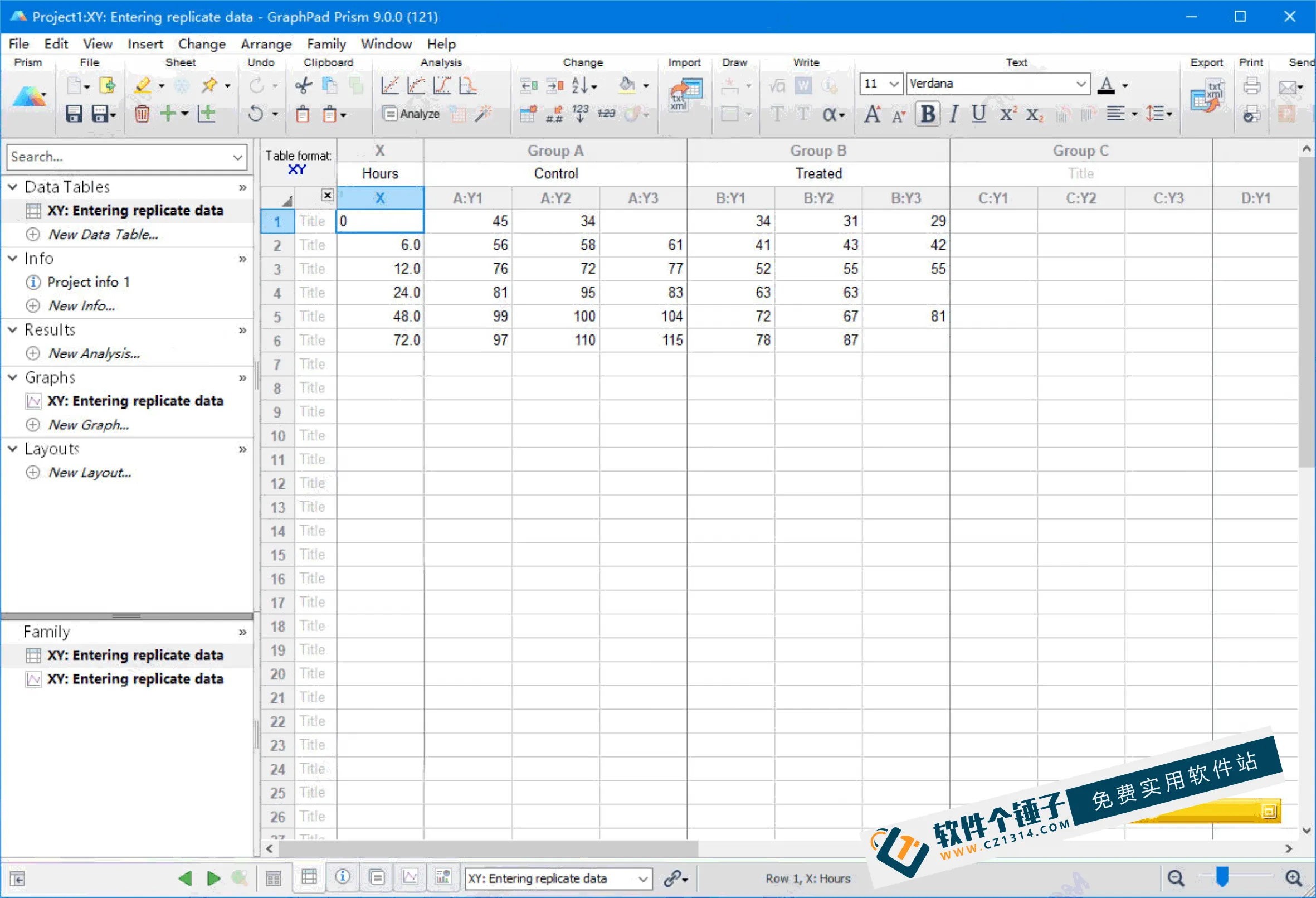
What annoys you most when writing code?
When editing code, have you also encountered these situations—you open a slightly larger file, and the editor starts spinning, taking ages to respond. Or you want to view the code of two files at the same time, but have to switch windows back and forth, with efficiency so low it drives you crazy. And some people are used to a whole set of keyboard shortcuts, but after switching to another editor, they find it completely uncomfortable and have to adapt to a whole new set of logic.
Not to mention those IDEs that take up several GB of memory at the drop of a hat, and take half a minute to open. Especially when modifying configurations on a Linux server, there may not even be a graphical interface, so you can only get it done via the command line. At times like this, what you need is a lightweight, efficient editing tool that works anywhere.
What exactly is Vim?
You can think of it as the successor to the Vi editor, a veteran editor that has existed in programmer circles for over thirty years. It has no fancy graphical interface, and doesn't pile on all-in-one features. What it focuses on is one thing—letting you complete all editing operations without your hands leaving the keyboard. Whether writing code locally or remotely connecting to a server to modify configuration files, you can start editing by opening a terminal and typing one command, saving effort and resources.
What can you do with Vim?
① Open large files instantly, no lag
Vim is very lightweight. Opening a log file or code file of several hundred MB, you can hardly feel any loading time. Unlike those heavy IDEs, which take several seconds just to start and easily freeze when files are large. Browsing and searching large files in Vim is quite smooth.
② Full keyboard operation, double the efficiency
Vim's shortcut system is very rich. Once proficient, you hardly need to touch the mouse. For example, use `dd` to delete a line, use `yy` to copy a line, use `:s` for quick replacement. With one combo after another, editing speed is much faster than clicking around with a mouse. This "hands never leave the keyboard" experience is hard to go back from once you get used to it.
③ Multiple windows and plugin extensions
Vim supports split-screen editing, allowing multiple files to be opened and viewed side by side. It also has a huge plugin ecosystem, from syntax highlighting and auto-completion to file tree management. Basically, whatever feature you want, you can find a corresponding plugin. You can customize a development environment that suits you just right according to your habits.
④ Cross-platform, works on servers too
Whether Windows, macOS, or Linux, Vim can run. After connecting to a server via SSH, you can directly type vim in the terminal to start editing configuration files, without any graphical interface. For developers who frequently deal with servers, this is one of the essential skills.
What kind of people are suited to using Vim?
If you are a programmer who often deals with various programming languages and wants to quickly edit code files, then Vim is a tool worth spending time learning. Especially for back-end developers, operations engineers, or people who frequently operate Linux servers, Vim can basically be regarded as a fundamental skill. In addition, if you pursue editing efficiency and want to break away from the habit of frequent mouse operations, Vim is also worth a try. Of course, if you just want an out-of-the-box graphical editor, Vim's learning curve may feel a bit steep—but once you cross that threshold, you'll find the previous investment well worth it.
In summary
Vim is a lightweight, efficient, cross-platform code editor, focusing on full keyboard operation and customizability. If you are willing to spend some time getting familiar with its operating logic, it can help you improve your daily coding efficiency quite a bit, especially in server environments without a graphical interface.
Related Courses
Super local toolbox! Built-in screen recording, audio/video cutting & merging, video compression & extraction, forever free - Kedou Video Converter
100% perfect free tool! One-stop multi-function PDF software: PDF convert, compress, edit etc., minimal, no ads, so nice - JOPDF

Open-Source Desktop Remote Tool, Beats Paid Versions! Free for Personal and Commercial Use Unlimited, Cross-Platform, HopToDesk Remote Control

Latest K-12 Textbook Downloader: Whole-Grade Resource Download, Courseware, Video, Audio in One Click

HuyanBao: free blue-light eye-care app with pet break reminders
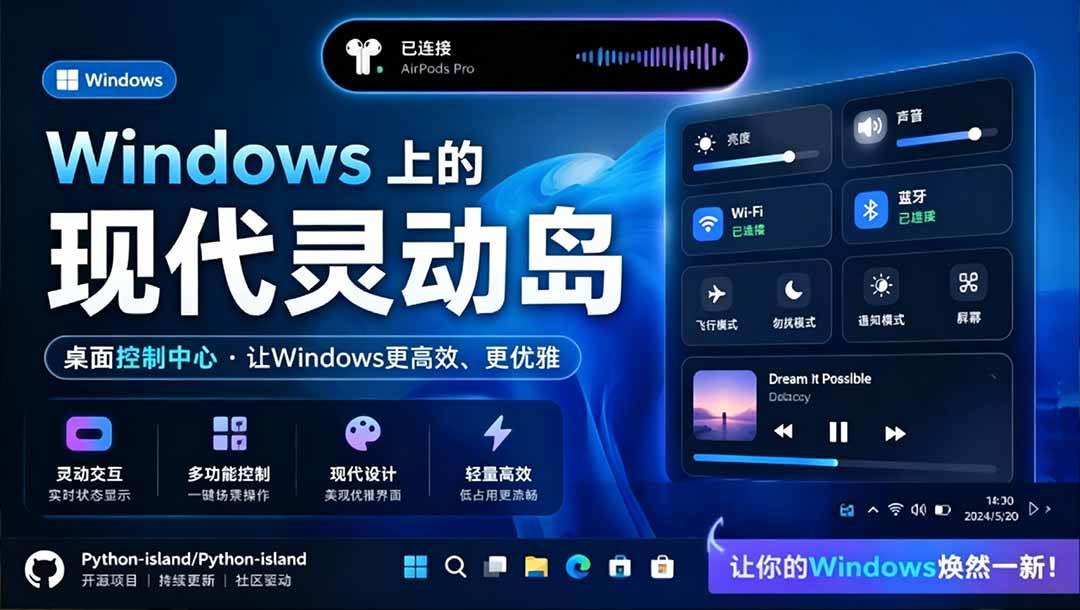
Windows Can Have a Desktop Dynamic Island Too! A Modern System Control Center — Give Your PC a Black Notch, PyIsland

3D Simulated Comic Drama Production: Seedance2.0 Full-Process Practical Course - From Zero to One High-Quality Comic Drama Creation

Win/Mac Dual Support! Latest Permanent Lifetime Version, Supports Old Photo Restoration, Image Sharpening and Lossless Upscaling Tool, Aiarty Image Enhancer

Online Video Course: Github Open-Source Bilibili Video Download Tool! Supports 8K and Dolby Vision Bilibili Video Batch Download Tool, Easy to Use Bilidown