-
Solo Business Courses
-
 Others
-
Overseas Tutorials
-
Photography & Editing
-
Community & Private Domain
-
Self-Media Writing & Copywriting
-
Side Income Projects
-
E-commerce
-
Short Video & Live Streaming
-
Artificial Intelligence (AI)
-
Software & Tools
-
Operating Systems
-
Plugins & Scripts
-
MacOS Software
-
Android Software
-
Windows Software
From Zero Foundation to Kuaishou Protocol Practical Development—29 Easy Language Lessons Take You Along
-
Game Gold-Farming Money-Making Plan: Earn 1k+ Daily, a Stable 3-Year Project Anyone Can Do in Spare Time [Revealed]
Study material — included with membership Get Membership -
Hot-game fully-automated earning: 500+ a day, no experience, simple operation - the steadiest long-term game-earning side hustle (revealed)
Study material — included with membership Get Membership -
FlyingMouse earns merit this time! Don't panic at Windows format problems — the open-source FlyingMouse format conversion tool helps, a popular GitHub gem
Study material — included with membership Get Membership -
Douyin Product-Selling Coaching Bootcamp: No On-Camera Appearance Needed, Newbies Can Produce Selling Short Videos by Following the Steps
Study material — included with membership Get Membership -
First-release game gold-farming money plan: 1K+ a day, ordinary people in spare time
Study material — included with membership Get Membership






-
FlyingMouse earns merit this time! Don't panic at Windows format problems — the open-source FlyingMouse format conversion tool helps, a popular GitHub gem
Study material — included with membership Get Membership -
LuDaShi v6.1024.4105.1121 Slim Single File
Study material — included with membership Get Membership -
2D Cartoon Animation Software Moho Pro v14.3
Study material — included with membership Get Membership -
Video Editor Aiseesoft Filmai v1.0.18
Study material — included with membership Get Membership -
To-Do Microsoft To Do v2.147 Free
Study material — included with membership Get Membership -
PR/AE/DaVinci/FCPX video Plugin Nobe OmniScope Win1.11.15 / Mac1.10.138
Study material — included with membership Get Membership


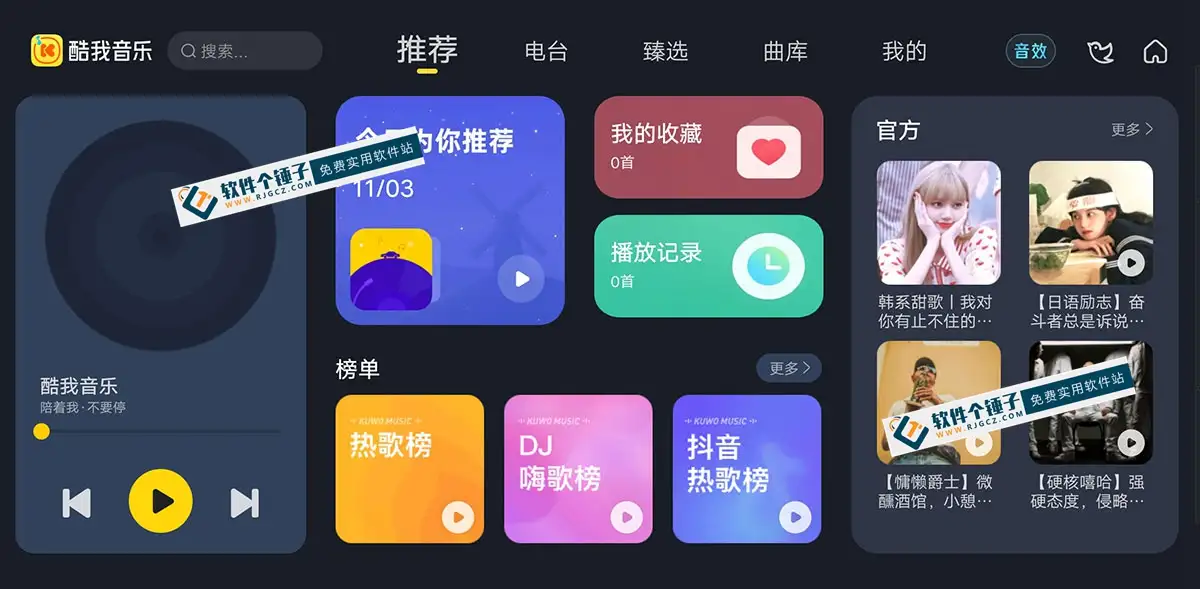
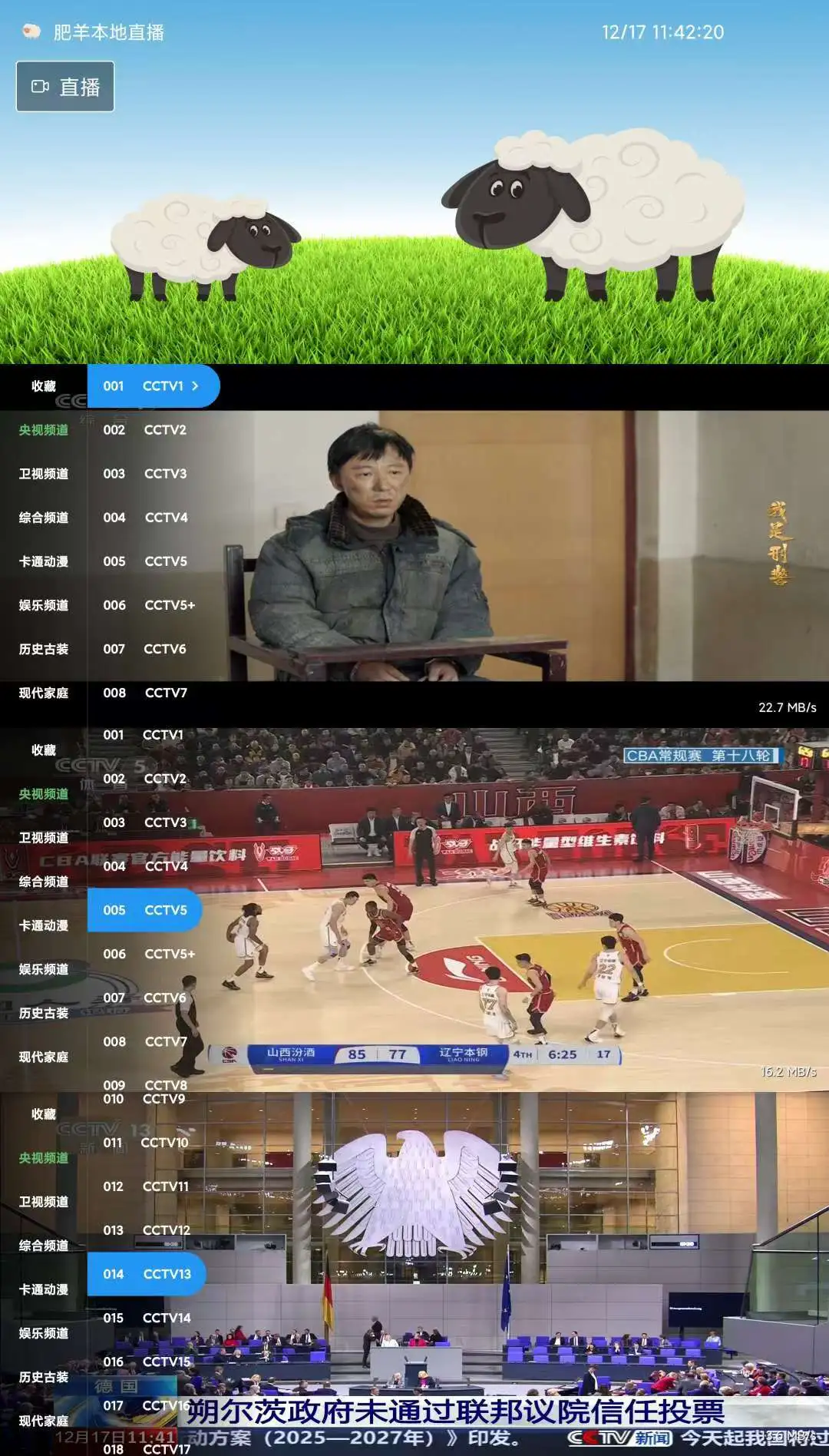
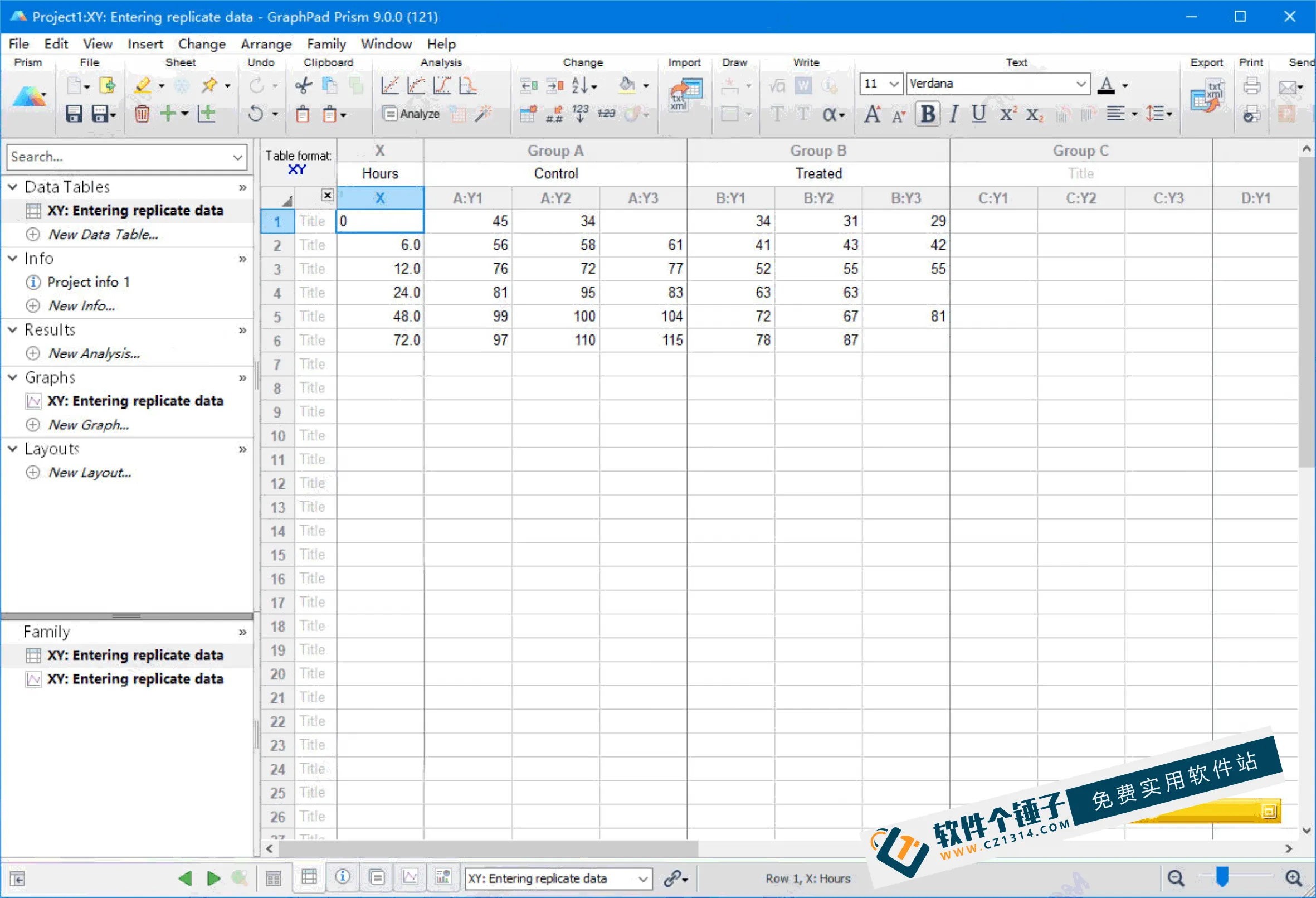
In this course, we will start from zero and take you step by step to master Easy Language basics, and through practical operations help you understand and apply these skills. Whether you're a programming newbie or a veteran wanting to improve your development ability, this course will bring you many practical techniques. Below are the course's detailed contents:
\1. Development Environment Configuration
\The course starts with how to configure the development environment, letting you quickly set up the Easy Language development platform, ensuring later learning isn't limited by environment.
\2. Easy Language Basic Syntax
\Understand debug output in development and non-development environments, master basic syntax, and lay a solid programming foundation.
\3. Use of Constants and Reverse-Engineering Protocol Development
\Learn techniques for using constants, and through actual protocol development cases, experience how to apply this knowledge in development.
\4. Easy Language Comments and Key Points of Code Modification
\Master the writing standards for Easy Language comments, understand how to modify and optimize code in actual development, making code easier to read and maintain.
\5. Use of Data Types and Practical Application
\Learn how to use different data types, practice developing a keygen, and further improve development skills.
\6. Custom Data Types
\Learn how to create custom data types according to needs, improving code flexibility and extensibility.
\7. Data Type Conversion and POST and Image Upload
\Deeply learn data type conversion operations, and master how to upload images to a server through POST requests.
\8. Complete Guide to Easy Language Operators
\Explain in detail the various operators of Easy Language, and quickly take you through their application scenarios and usage methods.
\9. Branch Statements and Notes for Beginners
\Master the use of branch statements, and understand common misunderstandings and notes for beginners during programming.
\10. Use of Loop Statements
\Explain in detail how to use loop statements to write code efficiently, improving program running efficiency.
\11. Use of Arrays and Application Scenarios
\Master basic array operations, and through actual cases show how to use arrays in projects.
\12. Use and Explanation of Subroutines
\Understand the concept of subroutines, and learn how to modularize code management through subroutines.
\13. Scope Concept
\Briefly understand the concept of scope, and understand its actual application in development and impact on code.
\14. Text-Type Data Operations
\Learn how to handle text data, master common text-processing techniques, and help you better manage data.
\15. File Read/Write and Text Reading
\Explain how to perform file read/write operations through Easy Language, and deeply explain text-reading techniques.
\16. Text Operations
\Learn text-operation techniques more deeply, letting you handle various complex text data.
\17. System Operations—Develop Hacking-Attack Software
\Explore how to develop system-operation tools through Easy Language, simulating hacker-attack scenarios, improving your practical ability.
\18. Ultra-Logic List Box and Practical Import
\In one lesson, easily understand how to use the ultra-logic list box, and through practice import accounts, passwords, phone numbers, and other data.
\19. Use and Principles of Multi-Threading
\Learn the three multi-threading usage methods of system built-in multi-threading, Jingyi Module, and Yucu, and understand their working principles.
\20. Packet Capture and Protocol Parsing
\Master packet-capture technology, and learn how to analyze protocol data and extract key content through packet capture.
\21. Multi-Threaded Keygen Practice
\Learn how to use multi-threading technology to develop keygens, and in practice extract cookies.
Related Courses

A New Ad-Watching Platform: 1.4 Yuan Per Ad, Bonus on Withdrawal, Easily 20+ RMB a Day Per Phone—Great for the Long Term [Revealed]

Precise Customer-Acquisition Master Course: Super-Individual Case Breakdown, Low-Cost Mining of High-Quality Clients

Mini-game AFK Bot Project: Operate With Just One Phone — No Luck, Only Solid Execution, Easily Earn 500+ A Day! [Revealed]

Soda Music + Tencent Musician AFK Play: A Lazy-Person Project, Batchable, No Manual Monitoring Needed, Beginners Can Easily Start [Revealed]

Stop Blindly Grinding Projects! The Real Logic of Making Money Online: Be a Shovel-Seller, Refuse to Be a Chive, Turn the Tide and Earn 50-80K+ A Month

The ceiling of 2026 internet projects: how ordinary people can earn 100K a month through paid knowledge products and leap a tier

Zero-cost film-and-TV reselling project: ordinary people can do it in spare time and easily earn 10K a month (revealed)


Xunlei Cloud Drive Promotion Monetization Camp: Analyze Conversion Cases, Double Your Earnings, Master Group Promotion and Traffic-Driving Re-posting

Monetize Virtual Resources with a Web-Entrepreneurship Mini-Program: Hit a Million a Year, One Phone Is All You Need, Zero-Cost Side Hustle