


Categories
See All >
-
Solo Business Courses
-
 Others
-
Overseas Tutorials
-
Photography & Editing
-
Community & Private Domain
-
Self-Media Writing & Copywriting
-
Side Income Projects
-
E-commerce
-
Short Video & Live Streaming
-
Artificial Intelligence (AI)
-
Software & Tools
-
Operating Systems
-
Plugins & Scripts
-
MacOS Software
-
Android Software
-
Windows Software

The Full Shooting-and-Editing Flow: Zero Basics, One Person, One Phone, Master Short Video!
📚Video Course
🕒Last updated: 04/21/2025
👥Entrepreneurs / Self-media creators / Cross-border e-commerce sellers / Side-hustlers
Study material — included with membership
Unlock Course with Membership
🔓
Get this course for reference study with membership
📦
Join membership — study all 16741 courses & software tools as reference
🔄
Courses keep updating — members study new material as it arrives
Share:
Top Selling Courses
-
Game Gold-Farming Money-Making Plan: Earn 1k+ Daily, a Stable 3-Year Project Anyone Can Do in Spare Time [Revealed]
Study material — included with membership Get Membership -
Hot-game fully-automated earning: 500+ a day, no experience, simple operation - the steadiest long-term game-earning side hustle (revealed)
Study material — included with membership Get Membership -
FlyingMouse earns merit this time! Don't panic at Windows format problems — the open-source FlyingMouse format conversion tool helps, a popular GitHub gem
Study material — included with membership Get Membership -
Douyin Product-Selling Coaching Bootcamp: No On-Camera Appearance Needed, Newbies Can Produce Selling Short Videos by Following the Steps
Study material — included with membership Get Membership -
First-release game gold-farming money plan: 1K+ a day, ordinary people in spare time
Study material — included with membership Get Membership






Top Selling Software Tools
-
FlyingMouse earns merit this time! Don't panic at Windows format problems — the open-source FlyingMouse format conversion tool helps, a popular GitHub gem
Study material — included with membership Get Membership -
LuDaShi v6.1024.4105.1121 Slim Single File
Study material — included with membership Get Membership -
2D Cartoon Animation Software Moho Pro v14.3
Study material — included with membership Get Membership -
Video Editor Aiseesoft Filmai v1.0.18
Study material — included with membership Get Membership -
To-Do Microsoft To Do v2.147 Free
Study material — included with membership Get Membership -
PR/AE/DaVinci/FCPX video Plugin Nobe OmniScope Win1.11.15 / Mac1.10.138
Study material — included with membership Get Membership





This course covers parenting-account launch hands-on, video shooting techniques, video editing, and live techniques, helping you master the full video-creation and operations flow from zero — suited to newbies and advanced users. Through real cases and detailed explanation, it lifts your creation ability and operations level.
\Outline
\1. Operations
\- 1.1. Understand platform rules
- 1.2. Weight and account warming
- 1.3. The traffic push mechanism
- 1.4. How to ride holiday hotspots
- 1.5. How to break through views
- 1.6. Fourteen monetization ways
- 1.7. The national mini-task
- 1.8. Dongchedi (Autohome)
- 1.9. How to position your own account
- 1.10. Parenting account launch hands-on
2. Shooting techniques
\- 2.1. Camera-move techniques
- 2.2. Camera-move skills
- 2.3. Camera-move emotion
- 2.4. Newbies' understanding of light
- 2.5. Composition knowledge
- 2.6. Shot-size knowledge
- 2.7. Light and product tips
- 2.8. Adding frame layers
- 2.9. Stabilizer use techniques
- 2.10. Shooting-technique effects collection
- 2.11. Shot-size distinctions
3. CapCut editing
\- 3.1. Knowing the CapCut app
- 3.2. How to add music
- 3.3. How to split and adjust material length
- 3.4. How to set ratio and background
- 3.5. How to add lyrics text
- 3.6. How to make opening/closing effects
- 3.7. How to add a black-and-white opening
- 3.8. How to make beat-sync videos
- 3.9. What if my own voice doesn't sound good
- 3.10. How to make HD videos
- 3.11. Mask use
- 3.12. Picture-in-picture use
- 3.13. The viral sudden-slow-down effect
- 3.14. Transition-effect adding
- 3.15. Chroma-key use
- 3.16. Landscape color grading
- 3.17. Multi-screen effect production
- 3.18. Portrait color-grading techniques
- 3.19. The use-of-same-template method
- 3.20. Keyframe use
- 3.21. How to add the golden-finger effect
- 3.22. Smart keying
- 3.23. Smoke video
- 3.24. How to make an end-screen follow prompt
- 3.25. The cool hollow-letter subtitle opening
- 3.26. Head-enlargement production
- 3.27. Floating-avatar video production
4. Film/TV editing
\- 4.1. Film/TV editing (part 1)
- 4.2. Film/TV editing (part 2)
- 4.3. Film/TV editing (part 3)
- 4.4. Film/TV editing (part 3, continued)
5. Product showcase and live
\- 5.1. Opening the product showcase
- 5.2. Withdrawing the security deposit
- 5.3. Good-stuff selection
- 5.4. Good-stuff video editing (part 1)
- 5.5. Good-stuff video editing (part 2)
- 5.6. Good-stuff video publishing
- 5.7. How to start a live
- 5.8. Live terminology intro
- 5.9. Live equipment needed
- 5.10. The live-room algorithm
- 5.11. Live-room ice-breaking
- 5.12. The live room's five traffic entries
- 5.13. Live-room retention
- 5.14. Live time-slot choice
- 5.15. How to lift live-room popularity
- 5.16. Live-room forbidden zones
- 5.17. What if nobody enters the live room
- 5.18. More fans = more live viewers?
- 5.19. What to prep for live
- 5.20. How to fast-lift live-room popularity
- 5.21. Dou+ use in the live room
6. Advanced techniques
\- 6.1. Knowing VideoLeap
- 6.2. The knife-cut transition
- 6.3. Keyframe mask production
- 6.4. Black-screen material application
- 6.5. Rectangular-mask transition
- 6.6. Cutout transition
- 6.7. Filter adjustment
- 6.8. Text and voiceover
- 6.9. Green-screen brush transition
- 6.10. Green-screen keying application
- 6.11. Basic beat-sync
- 6.12. Canvas and mixer use
- 6.13. Chromatic-aberration gradient
- 6.14. Tone range
- 6.15. Tone-range demo
- 6.16. Keyframe practical tips
- 6.17. Water-ripple and zoom transitions
- 6.18. Image-position gradient
- 6.19. Volume gradient
7. Bonus courses
\- 7.1. Camera-move techniques
- 7.2. Film/TV account editing (part 1)
- 7.3. Film/TV editing (part 2)
- 7.4. Stabilizer techniques
- 7.5. Shooting-technique effects collection
- 7.6. Shot-size distinctions
- 7.7. Douyin hit hands-on
Related Courses


Study material — included with membership
Get Membership
Figure-drawing two-tone light-and-shadow systematic training: from black-white relations and structure to character-scene design




Study material — included with membership
Get Membership
High-value IP full-domain practice course: IP positioning and persona setup, product design, editing and private-domain monetization - a full landing course

Study material — included with membership
Get Membership
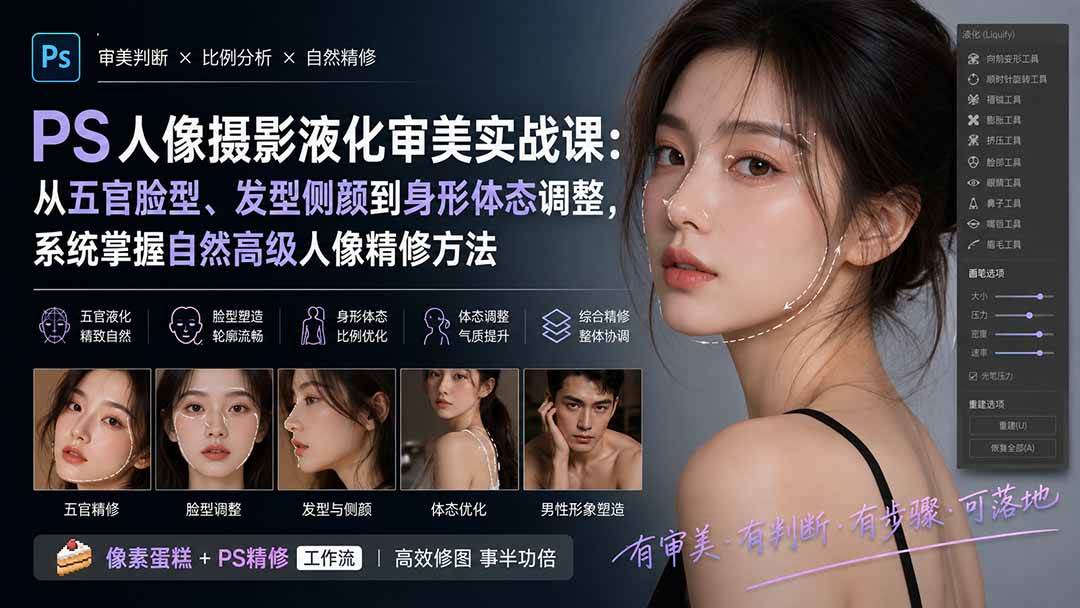
PS portrait retouching and liquify course: reject ineffective retouching, hands-on and easy to understand
Study material — included with membership
Get Membership
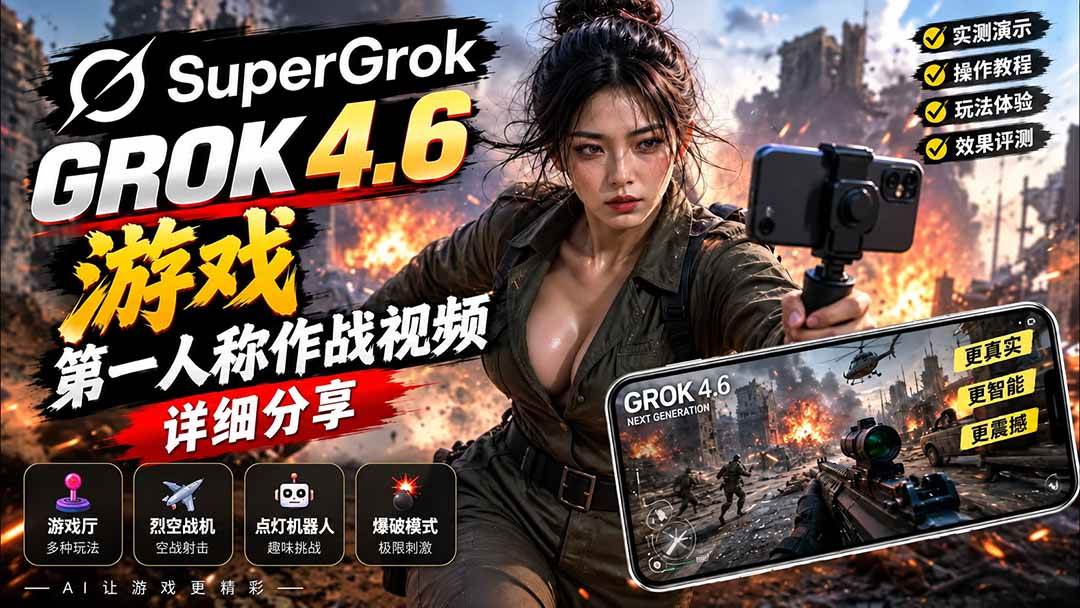
Can Grok 4.6 make games too? First-person combat video hands-on test, detailed gameplay walkthrough

Study material — included with membership
Get Membership
QuAi 14-day Lu Dami online workshop: your personal brand deserves to be loved
China Projects — one person, one company. No team, no middlemen. Every model here is already proven in China. Join the membership, study it as reference, and launch it locally in your country.
