-
Solo Business Courses
-
 Others
-
Overseas Tutorials
-
Photography & Editing
-
Community & Private Domain
-
Self-Media Writing & Copywriting
-
Side Income Projects
-
E-commerce
-
Short Video & Live Streaming
-
Artificial Intelligence (AI)
-
Software & Tools
-
Operating Systems
-
Plugins & Scripts
-
MacOS Software
-
Android Software
-
Windows Software
Codex Practical Handbook - 2025 Actionable, Full-Scenario Guide
-
Game Gold-Farming Money-Making Plan: Earn 1k+ Daily, a Stable 3-Year Project Anyone Can Do in Spare Time [Revealed]
Study material — included with membership Get Membership -
Hot-game fully-automated earning: 500+ a day, no experience, simple operation - the steadiest long-term game-earning side hustle (revealed)
Study material — included with membership Get Membership -
FlyingMouse earns merit this time! Don't panic at Windows format problems — the open-source FlyingMouse format conversion tool helps, a popular GitHub gem
Study material — included with membership Get Membership -
Douyin Product-Selling Coaching Bootcamp: No On-Camera Appearance Needed, Newbies Can Produce Selling Short Videos by Following the Steps
Study material — included with membership Get Membership -
First-release game gold-farming money plan: 1K+ a day, ordinary people in spare time
Study material — included with membership Get Membership






-
FlyingMouse earns merit this time! Don't panic at Windows format problems — the open-source FlyingMouse format conversion tool helps, a popular GitHub gem
Study material — included with membership Get Membership -
LuDaShi v6.1024.4105.1121 Slim Single File
Study material — included with membership Get Membership -
2D Cartoon Animation Software Moho Pro v14.3
Study material — included with membership Get Membership -
Video Editor Aiseesoft Filmai v1.0.18
Study material — included with membership Get Membership -
To-Do Microsoft To Do v2.147 Free
Study material — included with membership Get Membership -
PR/AE/DaVinci/FCPX video Plugin Nobe OmniScope Win1.11.15 / Mac1.10.138
Study material — included with membership Get Membership


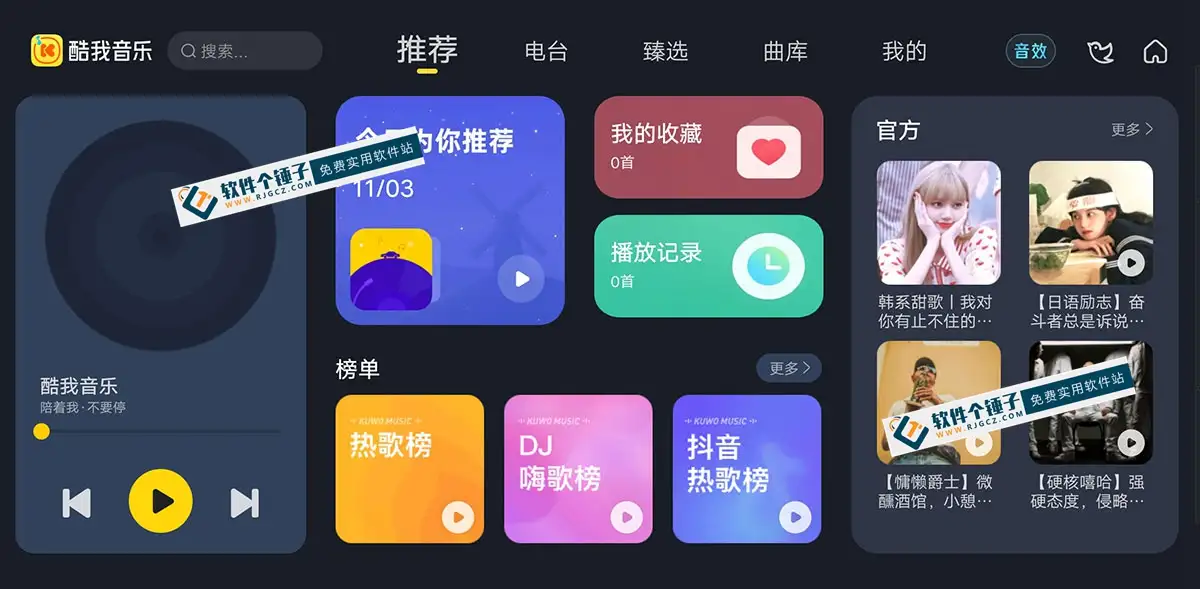
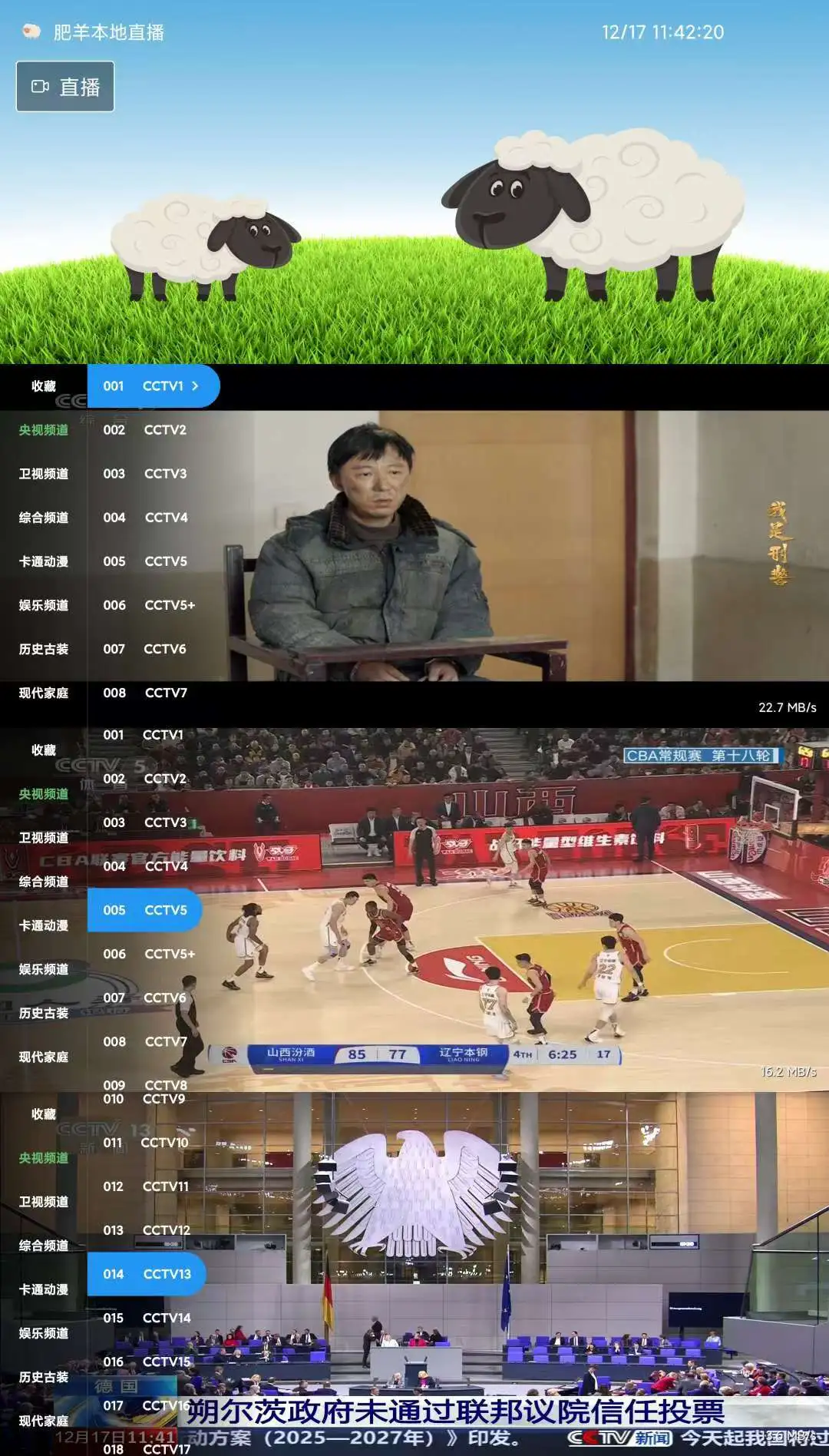
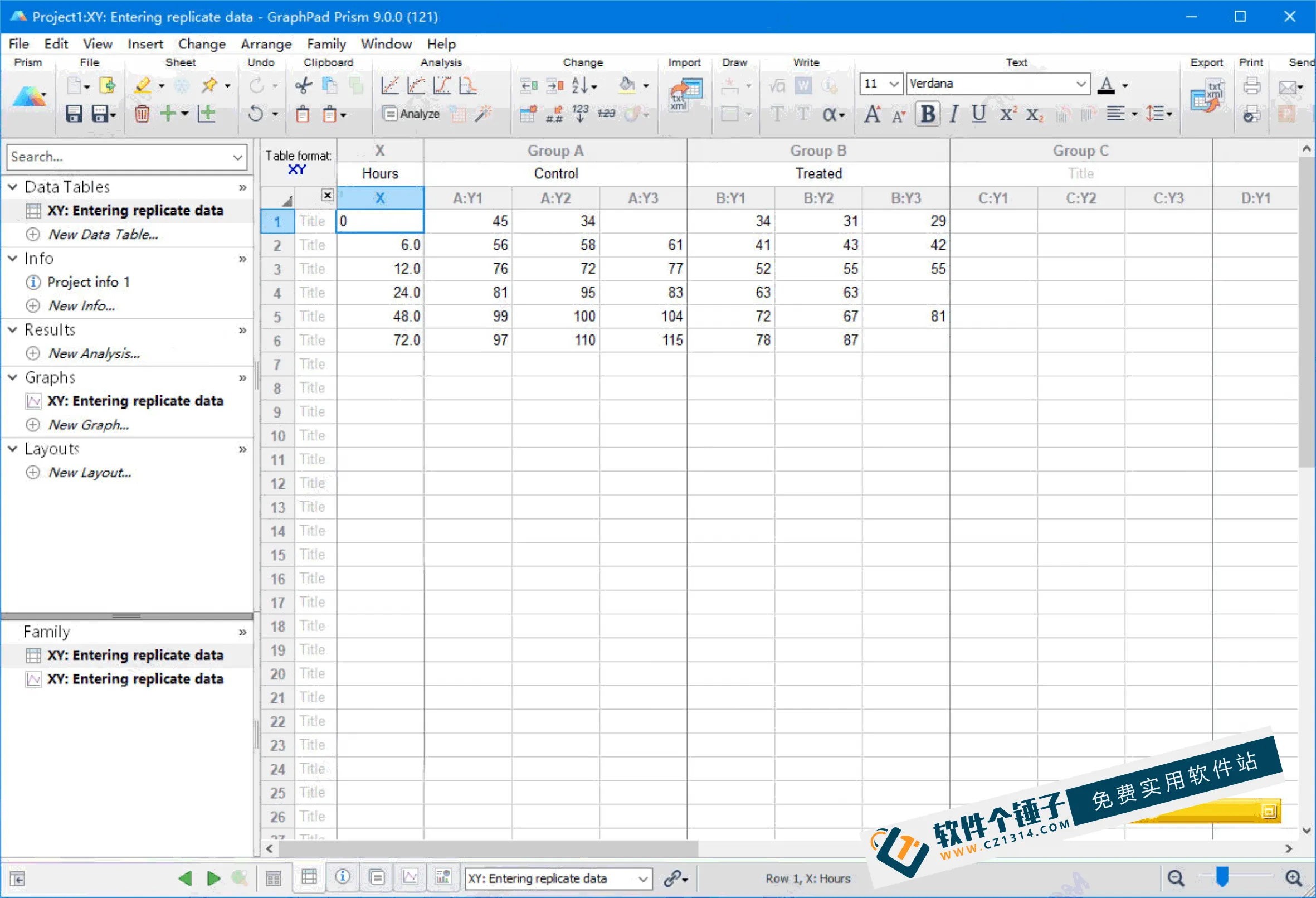
Codex Practical Handbook – Actionable, Full-Scenario, Ultra-Detailed Codex Practical Guide
\\ June 14, 2026
\ AI Programming and Code Generation
\ Developers, Programming Learners, Enterprise Technical Teams
In May 2025, OpenAI relaunched the Codex brand, introducing a brand-new cloud-native software engineering agent, marking the entry of AI programming from simple code generation into a new era of autonomous development. The second-generation Codex, based on the latest o3 and GPT-5.3 models, is no longer a passive code completion tool, but an intelligent development partner capable of understanding the entire codebase, autonomously formulating development plans, executing multi-step tasks, running tests, and fixing errors.
\This handbook is a comprehensive and systematic practical guide. Whether you are a beginner just getting started with AI programming or a senior engineer looking to improve efficiency, you can gain practical guidance from it. The content starts from the most basic concepts and gradually delves into core features, advanced techniques, and enterprise-level application scenarios, helping you transform Codex from an auxiliary tool into a true side-by-side teammate, achieving an order-of-magnitude improvement in work efficiency. The handbook is presented in Feishu document format, with rich content that is continuously updated, making it an essential resource for learning the field of AI programming.
\ \💡 Learning Tip:Content reflects industry practices at time of publication. Please refer to the latest platform rules when learning.
\Related Courses
Article Style 2: Large Top Image + Small Images
Article Style 3: Large Top Image
Article Style 4: Small Image-Focused Content
Article Style 5: Video List
Article Feature: Hidden Content
Software Primer: File Extensions, Version Naming and System Editions Explained
Juliang In-Feed Ads Placement Mindset + Practice: Quickly Master Core Skills!
Li's Premium Cold-Dish & Hot-Braised Series Tutorials — For Small-Business Startups and Anyone Learning Cold Dishes
Sept 2024 Upgraded Old-A Marketing Bootcamp: No Empty Talk, Hands-On Practice
Xiaohongshu Matrix Traffic Hands-On: Teach You to Quickly Capture Platform Traffic